he A-League's schedule and scores are not just a weekly digest for fans—they are the backbone of how the season unfolds. Look at any given round: a Friday night fixture in Melbourne, a Saturday double-header across the Tasman, a Sunday afternoon game in the harsh Perth sun. The spread matters. Teams traveling from Wellington to Perth face a six-hour flight and a three-hour time difference, and the scorelines often reflect that fatigue. Last season。the Phoenix conceded 14 goals in the final 20 minutes of away matches played more than 3,000 kilometers from home. That's not coincidence;it's the schedule leaving fingerprints on the table.
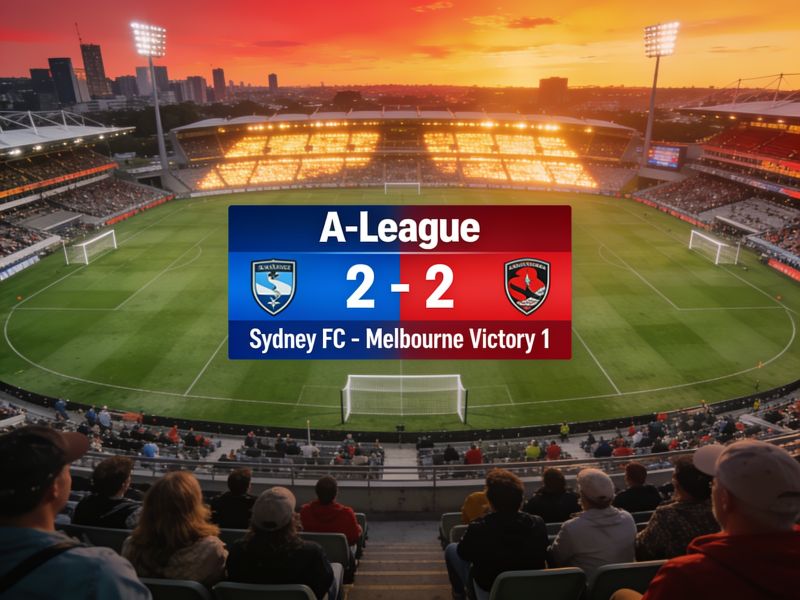
Scorelines tell a story, but the timing of fixtures tells another. The A-League's condensed Christmas period—often three games in nine days—has produced some of the most chaotic results in recent memory. In December 2022, Western United beat Sydney FC 1-0, then lost 4-0 to Adelaide four days later, then drew 1-1 with Brisbane. The same squad, wildly different scores. Coaches grumble about player welfare, and they have a point, but the congestion also creates opportunity: young legs get minutes, and unpredictability keeps the ladder tight. I've watched enough A-League seasons to know that the team topping the table in late December rarely lifts the Premiers' Plate. The schedule rewards depth。not just talent.There's a practical angle here that doesn't get enough attention. The A-League schedule and scores are published across multiple platforms—official apps, broadcast partners。fantasy leagues—but inconsistencies still pop up. Kickoff times shift due to heat policies in summer, and scores sometimes lag by minutes on third-party sites. For fantasy players and bettors, that's a real headache. I remember checking a score on a popular aggregator last season and seeing 2-1 when the actual result was 2-2—a goal had been credited to the wrong team for nearly ten minutes. These glitches are rare but they matter. The league has improved its data feeds, yet the gap between official and unofficial sources remains a quiet frustration.What about the bigger picture?The A-League's regular season runs from October to April, with 26 rounds plus finals. The schedule is unbalanced by design—some teams meet three times, others twice—and that quirk has decided titles. In 2020, Sydney FC played Melbourne City three times in the regular season and won all three;those nine points were the difference between first and second. Scores from those specific matchups carry extra weight, and smart analysts circle them on the calendar. The finals series, meanwhile。
compresses everything into a high-stakes sprint. A single away goal in a semi-final can erase 26 rounds of work. That's the cruelty and the beauty of it.For supporters, tracking the A-League schedule and scores is a ritual. The Saturday afternoon drive to the stadium, the radio call on the way home, the group chat exploding after a 90th-minute winner. The numbers on the screen—1-1, 2-0, 3-2—are cold, but the context is warm. A midweek catch-up game played in front of 4,000 people in Newcastle still counts the same as a derby at Allianz. The schedule doesn't care about drama;it just keeps rolling. And that's why following it closely, round by round。remains the most honest way to understand which teams are actually good and which are just lucky with their fixtures.