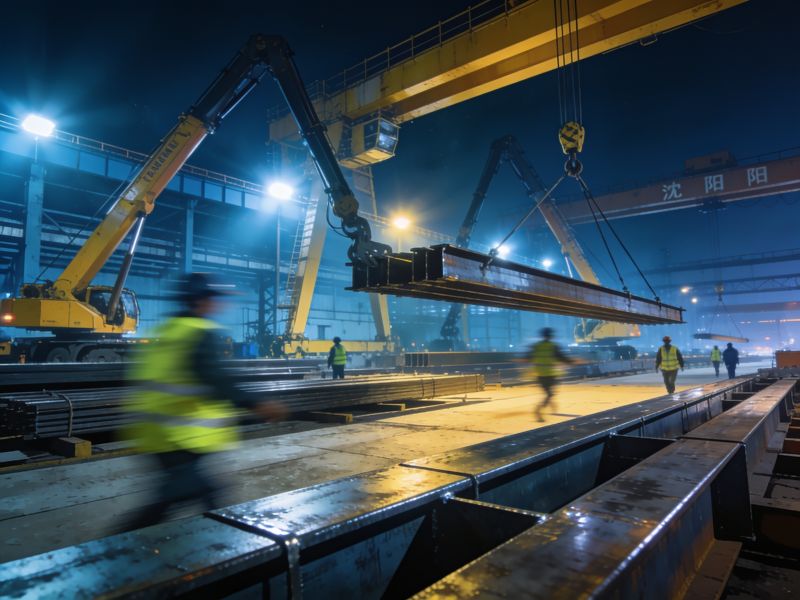
he moment you step off the train in Shenyang, something feels different. The station concourse hums with a kind of urgency I hadn't noticed on previous visits. Taxi drivers don't just drive;they weave. Construction crews work past midnight under floodlights. Even the street vendors seem to be operating on a clock only they can see. Liaoning went into triple time, and it's not subtle.What does triple time mean in practice?
It means the provincial government's approval process for industrial projects has been compressed from an average of 120 days to under 40. It means the Dalian Free Trade Zone now processes cross-border e-commerce shipments in six hours instead of two days. I spoke with a logistics manager at a port warehouse who shrugged when I asked about the pace. "We used to plan for a week," he said. "Now if it's not moving by Thursday, someone's calling my boss." That's not bureaucratic rhetoric. That's a real shift in expectations.The old industrial base is recalibrating. For decades, Liaoning's story was heavy machinery, state-owned enterprises。and a certain institutional slowness that seemed baked into the region's identity. Not anymore. In Anshan, a steel plant that once employed 40,000 workers now runs the same output with a third of the workforce, thanks to automation and a supply chain that responds in real time. The plant manager told me they hold daily 7 a.m. stand-up meetings—something I'd expect in a Shenzhen tech startup, not a century-old steel mill. Liaoning went into triple time because it had to. The alternative was watching younger, faster provinces eat its lunch.Foreign investors are noticing. A German automotive supplier I met in Shenyang's Tiexi district had originally planned a pilot line with 50 employees. They've since expanded to 300 and added a second shift. "The speed of permitting surprised us," the plant director admitted. "We budgeted eighteen months for phase one. It took nine." That kind of anecdote is becoming common. Yet not everything is smooth. Labor shortages in specialized welding and CNC operation persist. Housing prices in central Shenyang have climbed faster than wages. The triple-time mentality creates friction—older workers feel pushed, younger ones feel stretched. I watched a shift change at a gear factory near Fushun where two generations argued openly about overtime. Nobody was pretending it was easy.Still, the momentum is hard to ignore. Night markets in Dalian's Jinzhou district stay packed until 2 a.m.。
not just with tourists but with off-shift workers grabbing late meals. The provincial government publishes weekly progress dashboards on 200 key projects—a level of transparency that would have been unthinkable five years ago. Is triple time sustainable?Maybe not indefinitely. But for now, Liaoning is running faster than it has in a generation, and the province seems determined to make up for lost decades. You can feel it in the air, in the traffic, in the way people check their watches. The clock is ticking louder here.